
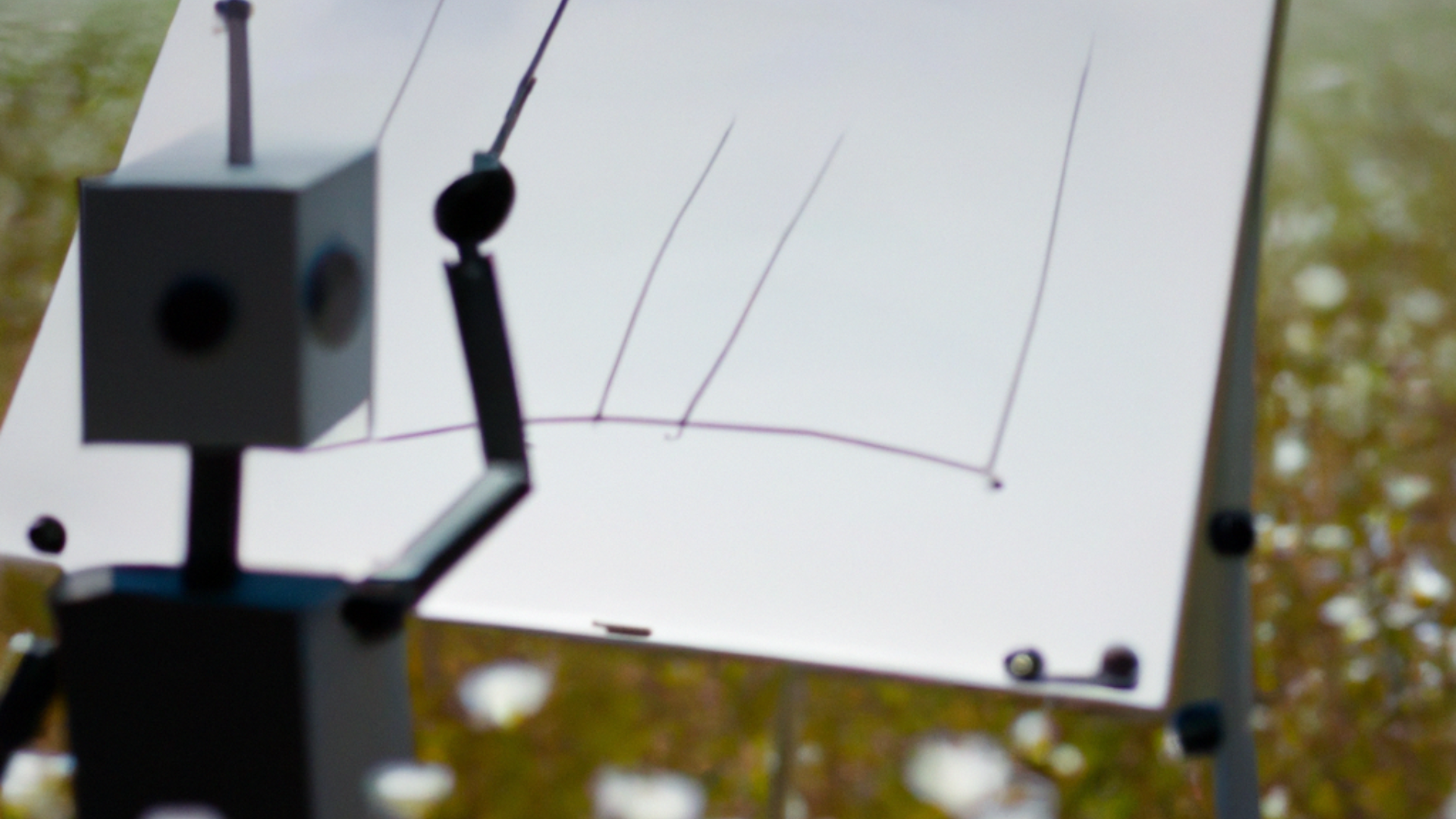

In an era where creativity meets code, the art world finds itself at the intersection of pixels and paintbrushes, courtesy of Artificial Intelligence (AI). As algorithms evolve from mere tools to creative collaborators, the influence of AI on the art scene is nothing short of revolutionary.
The Rise of AI-Generated Art
Gone are the days when artists were limited to traditional mediums; now, they can harness the power of algorithms to birth digital masterpieces. Generative Adversarial Networks (GANs) have become the unsung heroes of the art world, producing everything from surreal landscapes to abstract compositions that challenge the very definition of creativity.
The Turing Test for Aesthetics
As AI algorithms venture into the realm of art creation, the question arises: Can machines truly grasp the nuances of human aesthetics? Critics argue that AI lacks the emotional depth and cultural understanding that human artists bring to their work. Yet, AI-generated art has undeniably found its niche, captivating audiences with its unique blend of precision and unpredictability.
Collaborative Fusion: Humans and AI as Artistic Partners
Rather than replacing artists, AI has become an innovative collaborator, blurring the lines between man and machine. Artists are now employing AI tools to enhance their creative process, experimenting with algorithms that generate novel ideas, textures, and compositions. The result? A harmonious dance between human intuition and machine ingenuity.
The Art Market’s AI Infusion
The influence of AI extends beyond the creative process into the commercial realm. AI algorithms analyze market trends, predict artistic value, and even aid in the authentication of artworks. Collectors and investors are increasingly relying on AI-powered tools to navigate the complex art market, transforming the way value is assessed and acquisitions are made.
Ethical Dilemmas in the AI Art World
As AI becomes an integral part of the art ecosystem, ethical concerns emerge. Questions about authorship, copyright, and the impact on traditional artistic practices are hot topics. Who owns the rights to an AI-generated masterpiece, and how does this shift in authorship influence the perception of art as a human expression?
The Future Canvas: AI-Infused Artistic Evolution
The symbiotic relationship between AI and the art world is poised to redefine creativity in the digital age. As technology advances, so too will the capabilities of AI, opening new frontiers of artistic exploration. From virtual reality installations to algorithmic poetry, the canvas of possibilities continues to expand, challenging our preconceptions about what constitutes true artistic expression.
In conclusion, the AI influence in the art world is not a mere trend; it’s a transformative force reshaping the very foundations of artistic creation, interpretation, and commerce. As we navigate this brave new world of pixels and algorithms, one thing is certain – the future of art is as boundless as the imagination that fuels it, be it human or artificial.