

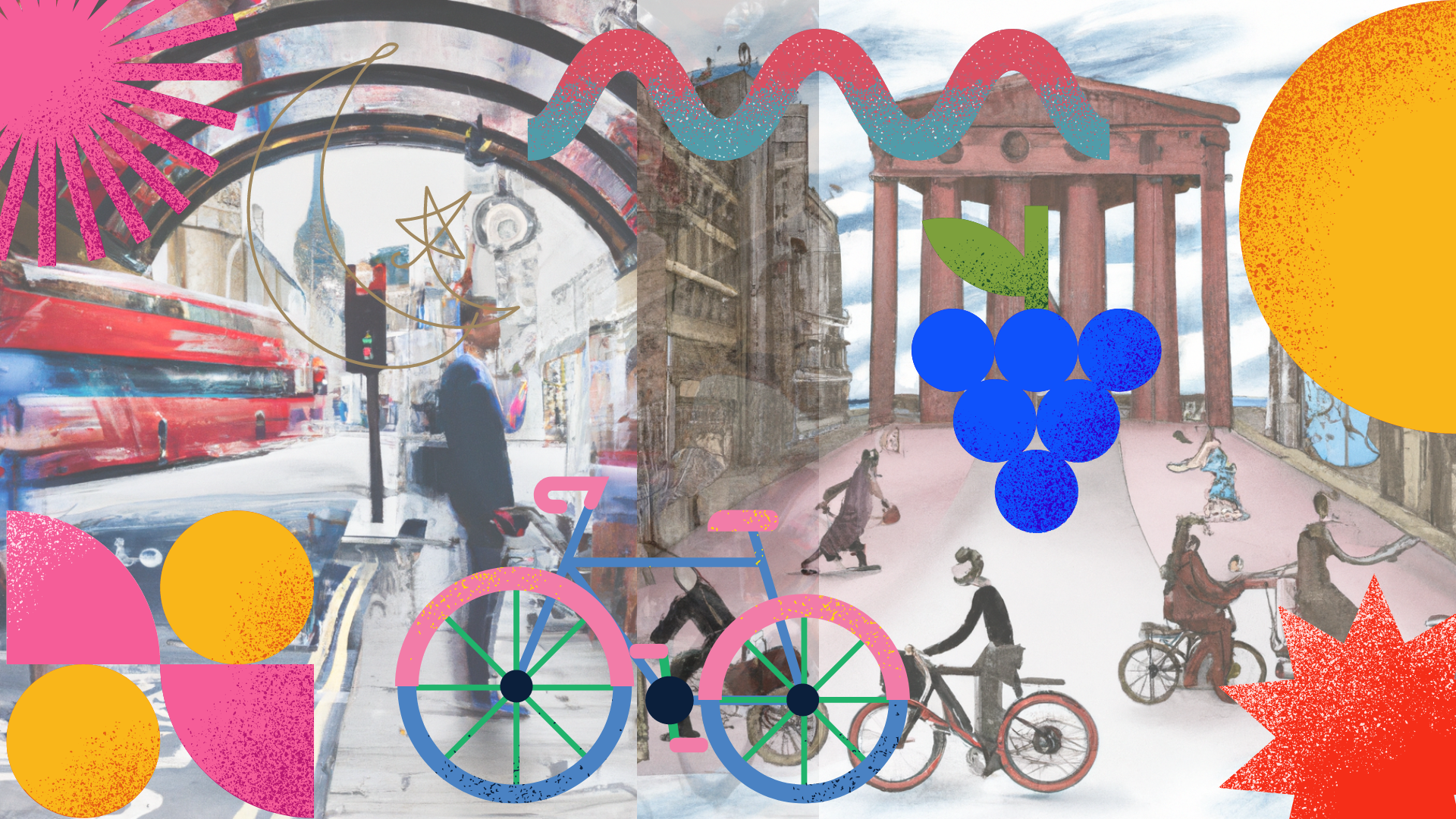
In the ever-evolving landscape of cultural and artistic movements, one term has emerged to encapsulate the nuanced dance between the modern and the postmodern – metamodernism. This peculiar and dynamic approach to the world challenges the binary notions of sincerity and irony, offering a fresh perspective that resonates in various creative spheres.
The Roots of Metamodernism
Metamodernism is not a neatly packaged ideology but rather a loosely defined concept that gained traction in the early 21st century. Cultural theorists Timotheus Vermeulen and Robin van den Akker introduced the term in their 2010 essay, “Notes on Metamodernism.” They observed a cultural shift away from the irony-laden, deconstructive ethos of postmodernism toward a more sincere engagement with contemporary issues.
Oscillating Between Irony and Sincerity
At the heart of metamodernism lies the idea of oscillation – a constant back-and-forth between opposing forces. Artists and thinkers navigating the metamodern landscape engage in a dance between irony and sincerity. They embrace both the skepticism of postmodern detachment and the genuine pursuit of meaning and authenticity inherent in modernism.
The Cultural Landscape of Metamodernism
Metamodernism manifests across various artistic mediums, from literature and visual arts to film and music. In literature, authors like David Foster Wallace and Zadie Smith explore the complexities of human experience with a blend of irony and sincerity. In visual arts, the works of artists such as Olafur Eliasson and Banksy embody the oscillation between the nostalgic and the progressive.
Metamodernism in Film and Television
The influence of metamodernism is evident in the realm of film and television, where creators play with narrative conventions and challenge audience expectations. Films like “Eternal Sunshine of the Spotless Mind” and TV shows like “BoJack Horseman” skillfully navigate the space between irony and sincerity, inviting viewers to reflect on the blurred lines between reality and fiction.
Politics and Metamodernism
Metamodernism extends beyond the artistic realm into the political landscape, influencing the way individuals engage with societal issues. The movement encourages a nuanced approach to political discourse, acknowledging the complexity of contemporary challenges while maintaining a sincere commitment to positive change.
Challenges and Criticisms
As with any cultural movement, metamodernism is not without its challenges and criticisms. Some argue that the concept is too abstract and lacks clear definition, making it difficult to identify and analyze. Others question the sincerity of the movement itself, suggesting that it may be just another layer of irony.
The Future of Metamodernism
Metamodernism continues to evolve, adapting to the ever-shifting cultural and social landscape. Its influence can be seen in the rise of internet subcultures, meme culture, and the blending of high and low culture. As we navigate the complexities of the 21st century, metamodernism provides a lens through which we can explore the multifaceted nature of our contemporary experience.
In conclusion, the story of metamodernism is one of a cultural landscape in flux, where artists and thinkers grapple with the tension between irony and sincerity. As we continue to navigate the complexities of our post-postmodern world, metamodernism stands as a vibrant and evolving paradigm, inviting us to engage with our cultural tapestry in new and unexpected ways.